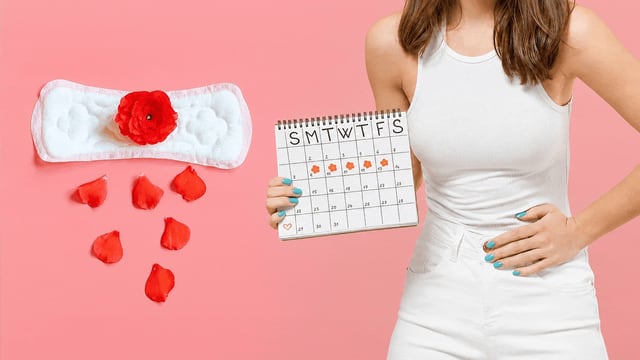
Tracking your period dates makes everyday schedule planning clear and predictable.
Tracking your period dates gives you clear insight into your natural cycle rhythm over time. Simple logging helps you anticipate upcoming start windows without extra hassle.
Curious about timing milestones across different life stages? Take our interactive period timing test to explore your personal rhythm insights.
Tracking your monthly timing takes away the guessing game and helps you plan your routine.
✅How to mark your true cycle start date
✅Easy ways to calculate a practical estimated start window for your cycle
✅How to refine timing estimates using daily body signals
Here is how you can start tracking your cycle step by step.
Understanding your period helps you plan trip schedules and handle sudden changes without worry. Marking a few start dates shows you clear patterns over time.
Most cycles follow a regular order even if your month changes a bit. Simple habits like writing down start dates give you helpful clues for future weeks.
Why Estimating Your Next Period Is Useful
Knowing when your period might start helps you plan events, trips, and work projects. Getting ready early keeps you organized and prevents sudden surprises during busy weeks.
Watching your schedule makes it simple to spot unexpected delays or unusual shifts over time. You build better personal awareness by paying attention to your regular monthly timing.
Step 1: Mark Cycle Day One Consistently
Your cycle starts on the first day of real flow rather than light spotting beforehand. Spotting the right start date keeps all your future timing estimates grounded and clear.
Write down the date in your phone or planner as soon as steady flow begins. Building this simple habit creates a clean baseline for counting your total cycle length.
Log the day flow starts immediately
Separate light spotting from day one
Keep entry habits identical each month
Step 2: Log Symptoms and Period End Dates
Logging when your flow stops gives you a complete view of period length. Writing short notes about physical cues helps you spot recurring patterns before bleeding starts.
Pay attention to mild cramps, energy shifts, or mood changes that show up each month. These regular signals act like personal road signs that back up your calendar dates.
Record total days of active flow
Track recurring body cues every month
Note changes in energy across weeks
Step 3: Compare Several Cycle Lengths
Count the days between the start of one period and the start of the next. Checking three to six months in a row reveals whether your timing stays steady.
Short shifts of a few days are normal and reflect routine body changes. Looking at several months helps you see the bigger picture instead of worrying about one unusual month.
Count days between consecutive start dates
Review three full months of records
Expect normal minor length variations
Step 4: Turn an Average Into an Estimated Start Window
Add up your recorded cycle days and divide that total by the number of tracked months. Adding this average to your last start date shows your next likely timeframe.
Treat your target date as a flexible three-day window instead of one rigid day. Using a short range accounts for natural shifts without causing unnecessary worry.
Find your average cycle length
Add average days to last date
Use a flexible three day window
Step 5: Cross-Check the Estimate With Recurring Body Patterns
Check your predicted start window against physical signs that happen late in your cycle. Spotting familiar shifts gives you helpful confirmation as your estimated date gets closer.
Changes in skin, fluid, or breast tenderness often follow a regular personal schedule. Combining physical cues with quick calendar math gives you a much more reliable routine estimate.
Step 6: Update the Estimate After Every Cycle
Log your new start date as soon as flow begins to refresh your long-term record. Updating your numbers every month keeps your moving average accurate as your lifestyle changes.
Regular notes turn a simple calendar check into a tool that gets better over time. You will get comfortable reading your body's natural timing as the months go by.
Challenges to Be Aware Of
Stress, travel, bad sleep, or food changes can sometimes shift your period timing. Spotting these outside factors helps you see why a single month might differ from your average.
Tracking helps with everyday planning, but major ongoing changes require medical advice. Talk with a doctor if you notice sudden jumps or have questions about your health.
Stress can alter your timing
Spotting is different from flow
Ask doctors about sudden changes
Conclusion
Estimating your next period with simple tracking gives you easy control over your monthly schedule. Logging start dates and watching body cues removes guesswork from your regular routine.
Start tracking your cycle today to build confidence and understand your timing for future months. Setting up this habit makes staying prepared simple and completely stress-free.
FAQ
How many months of tracking do I need for an estimate?
Tracking for three months gives you a reliable average to plan your upcoming period window.
What if my period cycle length varies every month?
Minor changes are completely normal, so planning around a flexible three-day window keeps you prepared.
Is cycle tracking considered an accurate form of contraception?
No, cycle tracking is meant for everyday planning rather than pregnancy prevention or medical diagnosis.
How do I tell light spotting from cycle day one?
Day one starts when steady, continuous flow begins rather than light preliminary spotting.