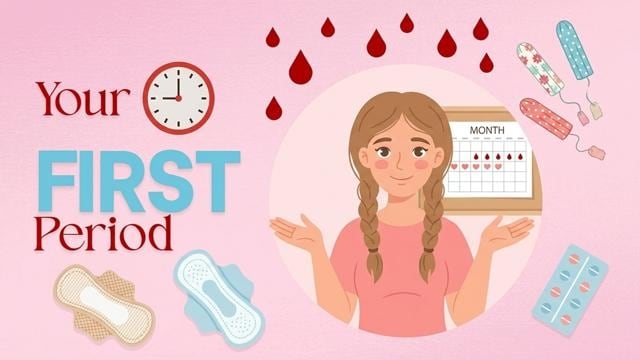
Here is a quick look at what you will learn about body signs, period timing, and easy ways to stay ready.
✅Common physical signs that puberty is moving along
✅Easy tracking methods to spot your body timing range
✅Essential items to keep inside your daily school bag
Let us look at how these normal changes help you stay ready every day.
Are you wondering when your first period might arrive as your body starts changing? Learning how puberty moves along step by step helps you feel calm, confident, and totally ready for what comes next.
Everyone grows at a different speed, so your exact timeline will be unique to you. Spotting subtle body clues helps you prepare a simple kit without feeling stressed or worried.
Why Understanding First-Period Timing Helps You Stay Prepared
Noticing early body changes takes away the mystery surrounding your upcoming first period. When you understand what happens as you grow, these new physical shifts feel completely normal and easy for you to handle.
Every growing body follows its own relaxed timetable during these middle school years. Learning these simple clues helps you feel calm while you gather a few helpful supplies for your backpack.
Step 1: Notice Broad Puberty Changes
Puberty begins with clear physical developments long before your very first period arrives. Breast buds, quick growth spurts, and soft body hair usually show up many months ahead of time.
You might also notice a light clear or whitish fluid on your underwear. This normal sign means your body hormones are active and preparing you for the next step in growing up.
Watch for early breast bud growth
Notice quick changes in your height
Look for clear fluid on underwear
Step 2: Track Changes Privately and Simply
You do not need confusing charts to keep track of your growing body. A basic paper notebook or a quick note on your phone works great for keeping simple updates.
Write down when you notice mood changes, new spots on your skin, or small growth spurts. Checking your notes every few weeks helps you spot broad patterns without any extra stress.
Keep a quiet notebook or phone note
Record small monthly changes you see
Note mild cramps or mood shifts
Step 3: Build a Flexible Readiness Window
Most people get their first period about two years after breast development starts. Thinking in terms of a broad timeline range instead of one fixed date keeps you from worrying.
Clear or white fluid often increases six to twelve months before your period shows up. Treating these clues as a broad window gives you plenty of time to feel ready.
Step 4: Prepare a Small First-Period Kit
Carrying a small pouch with basic supplies gives you peace of mind at school. Put a few soft pads, extra underwear, and wrapped wipes inside a small zipper bag.
Tuck the pouch into a private pocket in your backpack so it is always ready. Having your own supplies nearby lets you focus on school without worrying about unexpected surprises.
Pack two or three slim pads
Include clean spare underwear
Add a small pack of wipes
Step 5: Know What Early Bleeding May Look Like
First periods rarely start with a heavy flow like you might see in movie scenes. You will likely only see small brown spots or light pink smudges on your underwear.
Your first few periods will probably be irregular and space out across several months. Knowing that light spotting is totally normal keeps you feeling calm and confident every day.
Expect light brown or pink spots
Remember that early flow is small
Know that initial dates vary widely
Step 6: Use the PZ First-Period Test as an Exploratory Activity
Interactive quizzes give you a fun way to compare your current growth with common timelines. Answering quick questions about your height and body signs shows where you are in puberty.
Use this online test as a helpful learning tool rather than a strict medical prediction. It helps you explore your timing clues while reminding you to pack your supplies early.
Challenges to Be Aware Of
Puberty timelines vary a lot between teens because of genetics and overall growth rates. Comparing your body to your friends only leads to unnecessary stress and confusion.
If you have severe pain or have not started puberty by age fifteen, ask for guidance. Talking to a school nurse, doctor, or trusted adult gives you helpful answers and reassurance.
Do not compare yourself to friends
Avoid expecting exact calendar dates
Talk to an adult if pain happens
Conclusion
Getting ready for your first period is easy once you know what body signs to expect. Keeping track of changes and packing a small kit helps you feel ready wherever you go.
Take time to learn how your body grows during these middle school years. Try our interactive test today to check your timing clues and build your personal readiness plan.
FAQ
What age do most people get their first period?
Most people start between ages twelve and fourteen. However, starting anytime between ten and fifteen is completely normal.
How do I know if my first period is coming soon?
Breast growth, underarm hair, and clear underwear fluid are key signs. These changes usually happen within two years before your period starts.
Can an online test give me an exact period date?
No quiz can predict an exact start date. They are simple learning tools that help you recognize growth signs and feel prepared.
What should I do if my period starts at school?
Use the kit in your backpack or visit the school nurse. You can also ask a teacher or staff member for a pad.